

The Dirt Around Your Pipe Plays a Big Role in How Long It Lasts
Soil conditions have a direct impact on how long a sewer line will last. The type of soil, how wet it gets, and how it shifts over time can cause cracks, corrosion, or pipe collapse. In some cases, poor soil can shorten a pipe’s life by many years and lead to early sewer line replacement. Understanding what is happening underground helps homeowners spot risks early and avoid major damage.
Why Prevention Matters for Underground Pipes
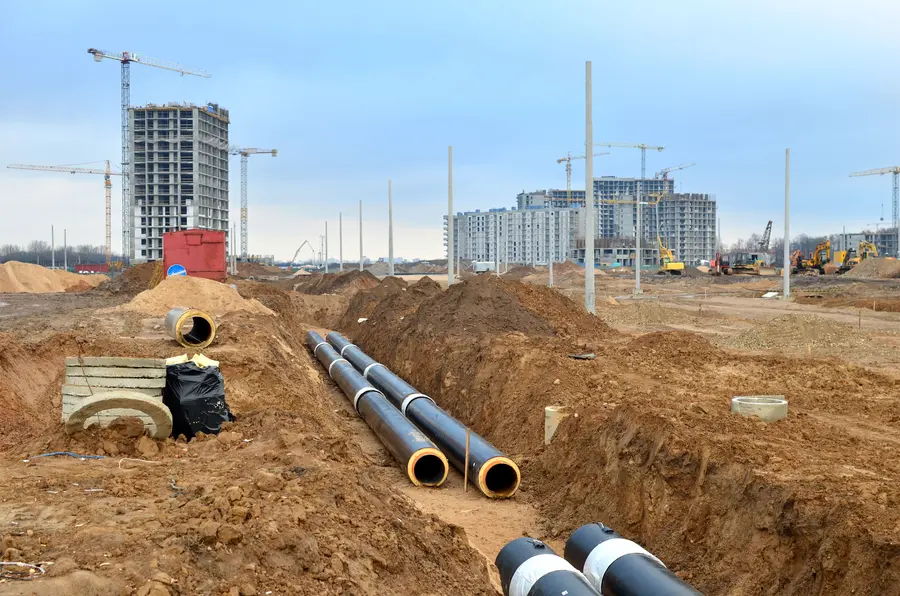
Your sewer line sits buried in soil every day of the year. It cannot dry out or escape ground pressure. If the soil expands, shrinks, or holds too much moisture, your pipe feels that stress. Over time, that pressure can cause joints to separate or pipes to sag.
Fixing a small problem early is much easier than dealing with a collapsed line. Preventing soil-related damage can delay sewer line replacement and save you from major digging in your yard.
Early Warning Signs of Soil-Related Sewer Problems
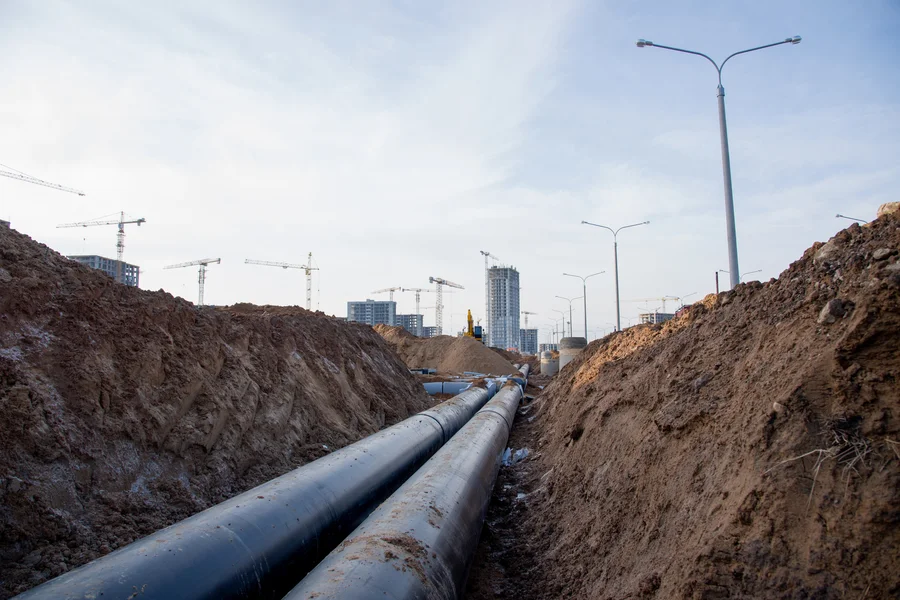
Soil issues usually show signs before total pipe failure. Watch for these red flags:
- Slow drains in multiple sinks or tubs
- Gurgling sounds from toilets
- Wet or sunken spots in the yard
- Cracks in your driveway or foundation
- Strong sewer odors outside
These signs can mean the ground has shifted or that excess water is putting pressure on your pipe. Early action helps prevent full sewer line replacement.
How Different Soil Types Affect Pipe Lifespan
Not all soil behaves the same. Some soils are stable and drain well. Others expand, hold water, or even corrode certain pipe materials.
Here are common soil types and how they affect sewer lines:
- Clay soil: Expands when wet and shrinks when dry. This movement pushes and pulls on pipes.
- Sandy soil: Drains well but can shift easily, causing pipes to lose support.
- Rocky soil: Can press against pipes and cause cracks if not compacted properly.
- Corrosive soil: Contains chemicals or minerals that slowly eat away at metal pipes.
If your property has heavy clay, your sewer line faces more stress during rainy seasons. In dry months, shrinking soil can create gaps under the pipe. That sagging area may collect waste and cause backups.
Seasonal and Routine Soil Checks
Soil does not stay the same year-round. Weather changes how it behaves. A simple seasonal check can help you avoid surprises.
- Walk your yard after heavy rain. Look for pooling water.
- Check for new dips or soft spots in the ground.
- Notice cracks forming in nearby concrete.
- Monitor how quickly drains move water inside your home.
These steps take only a few minutes but give you early clues. Excess moisture is one of the biggest causes of early sewer line replacement. Good drainage around your property reduces that risk.
Best Practices for Long-Term Results
You cannot change your soil type, but you can manage how it affects your pipe.
Keep gutters and downspouts clear so water flows away from your foundation. Extend downspouts if needed. Avoid heavy equipment driving over the sewer line path. Extra weight can compress soil and damage the pipe below.
Plant trees and large shrubs away from sewer lines. Roots grow toward moisture. In shifting soil, roots can find small cracks and force them open.
If you are building or remodeling, ask about proper soil compaction and bedding materials around new pipes. Good support helps prevent pipe settling. That small step can add years to your system and delay sewer line replacement.
This applies to both residential sewer work and larger plumbing projects. Solid installation practices matter just as much as pipe material.
What Not to Do
Avoid ignoring standing water in your yard. Do not pour harsh chemicals down drains to fix slow flow. Those products can weaken older pipes, especially in corrosive soil.
Do not assume a small crack in the yard is harmless. It may signal soil movement below. Waiting too long can turn a minor repair into full sewer line replacement.
When to Schedule Professional Help
If you notice repeat backups, soggy areas, or shifting ground, it is time for a camera inspection. A licensed plumber can check the pipe’s condition without major digging.
Professional inspections often reveal belly spots, cracked sections, or root growth caused by unstable soil. Fixing one weak section is cheaper than replacing the entire line later.
Major soil problems, such as persistent drainage issues or erosion, may call for more advanced solutions. In severe cases, sewer line replacement may be the safest long-term fix, especially if the pipe has collapsed or corroded beyond repair.
Get Help Protecting Your Sewer Line
If you are dealing with shifting soil or frequent drain problems in Rogers, AR, we can help inspect your system and explain your options. At M and J Plumbing Service of Rogers, we handle everything from inspections to full sewer line replacement with careful planning and proven methods. Call us at (479) 275-0535 to schedule service and protect your property for the long run.